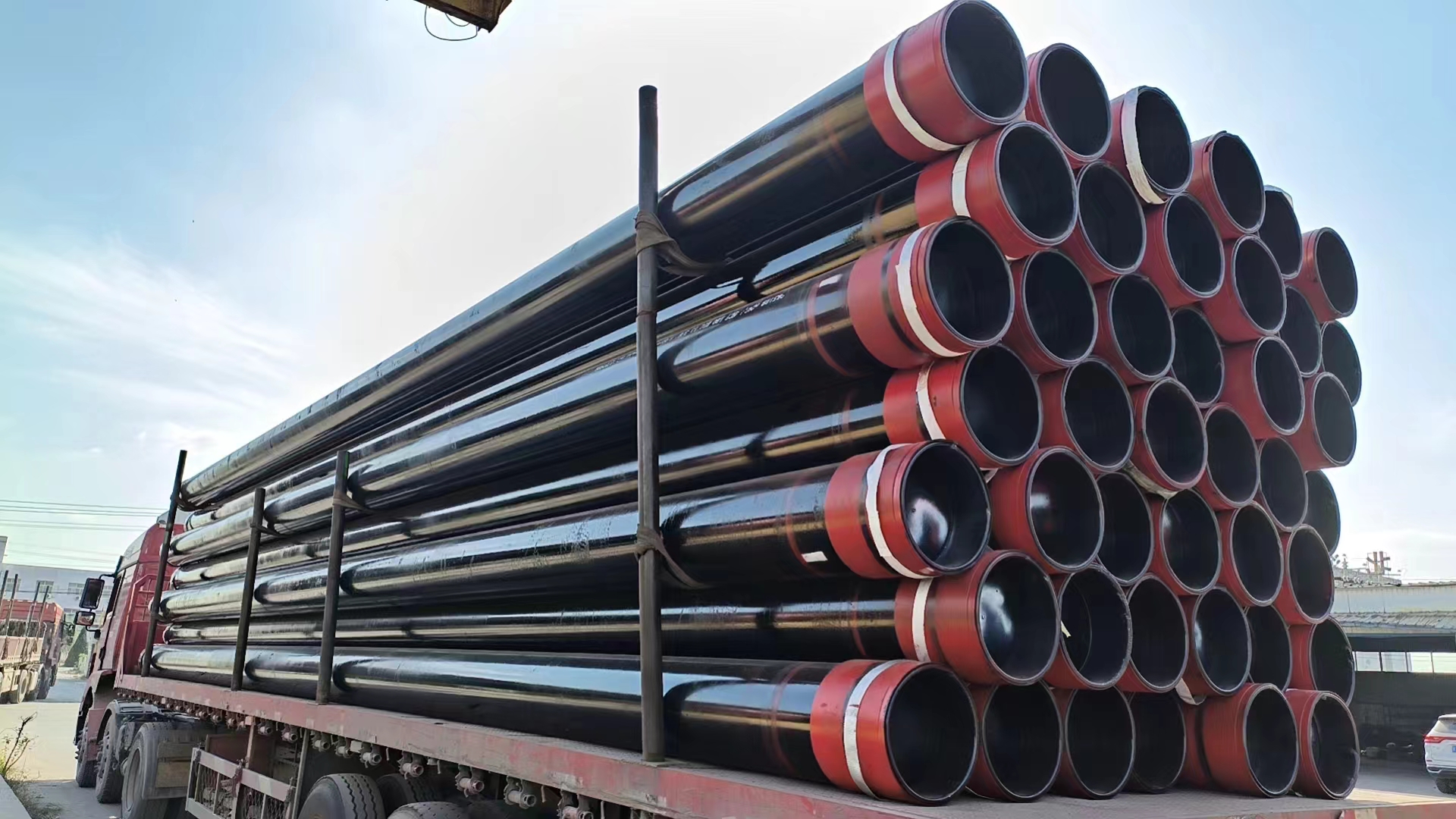
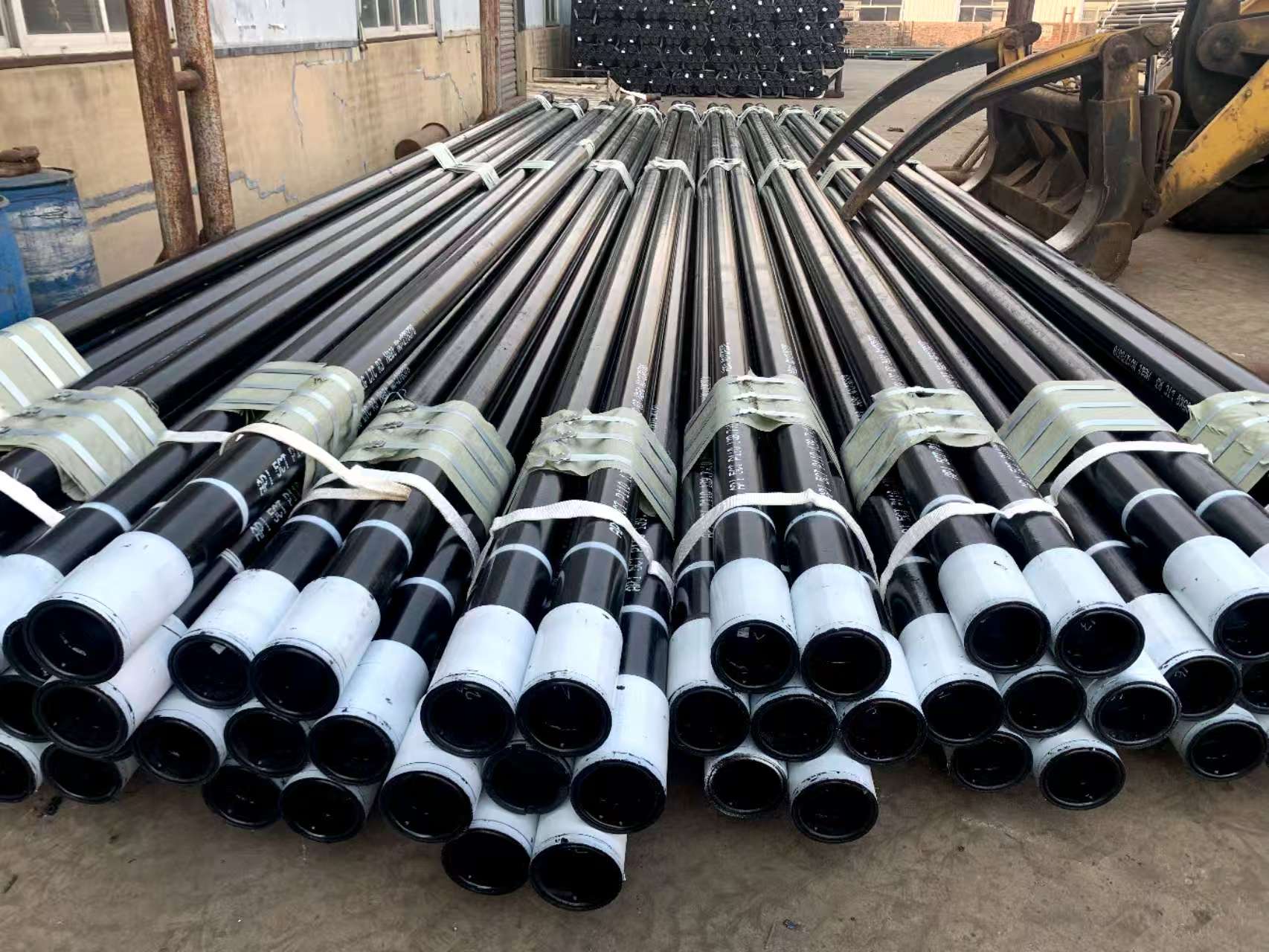
Introduction to Oil Pipelines
Introduction to Oil Pipelines
- 3678
- 3
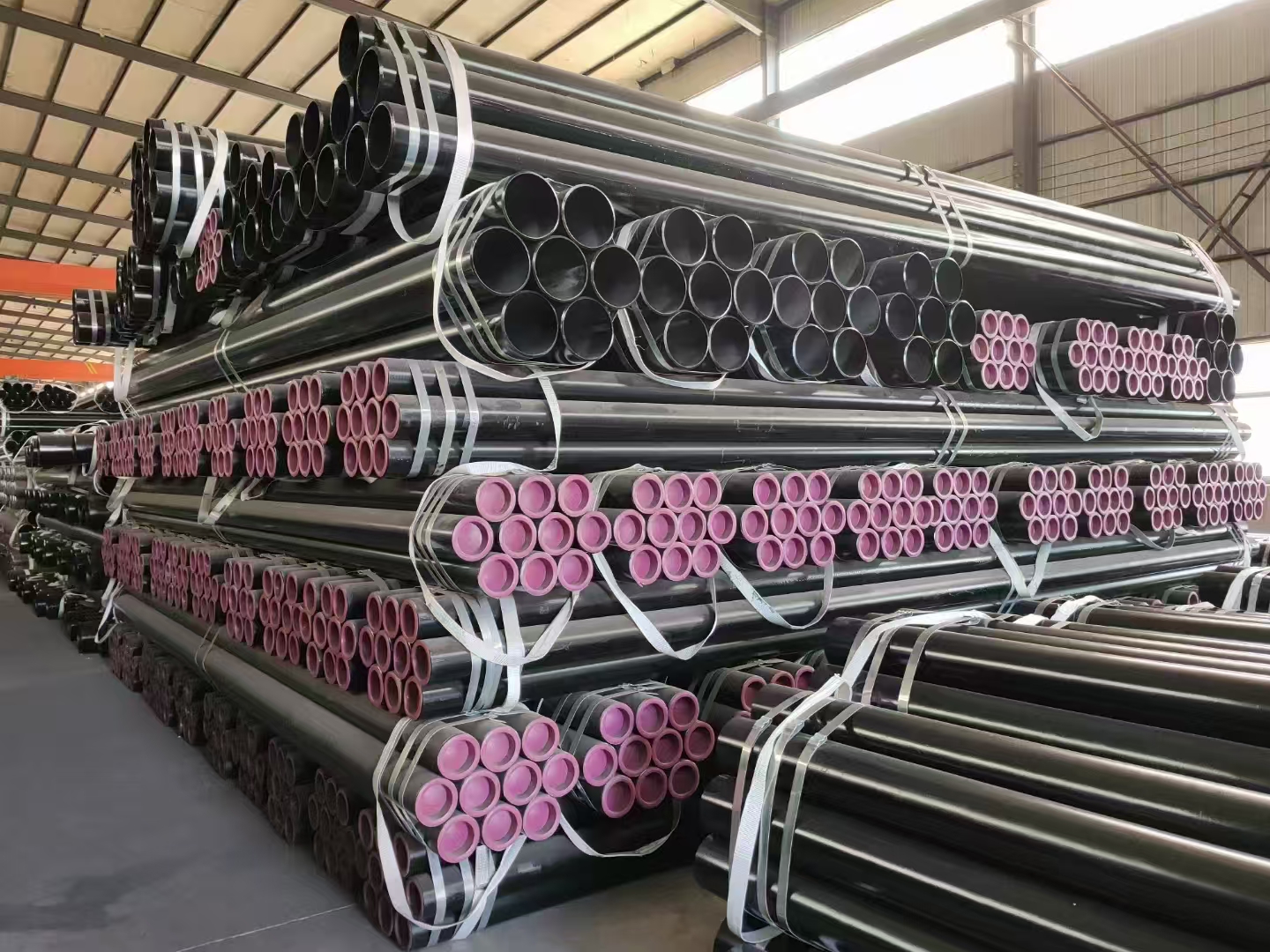
Oil pipelines (also referred to as pipelines or piping) are composed of oil pipes and their accessories. They are equipped with corresponding pumping units according to process requirements and are designed and installed as a complete pipeline system to carry out oil loading, unloading, and transportation tasks.
An oil pipeline system, which is used to transport crude oil and petroleum products, mainly consists of oil pipelines, pumping stations, and other auxiliary equipment. It is one of the main facilities in the oil storage and transportation industry and is the primary means of transporting crude oil and petroleum products. Compared with railway and road transportation, which are also land-based transport methods, pipeline transportation has the advantages of large capacity, good sealing, low cost, and high safety.
The material of oil pipelines is generally steel, connected over long distances using welding and flange connections, and controlled with valves for opening, closing, and flow regulation. The main transportation methods for oil pipelines include isothermal transportation, heated transportation, and sequential transportation. Pipeline corrosion and corrosion prevention are key aspects of pipeline maintenance. Currently, oil pipelines have become one of the main tools for oil transportation and continue to have considerable development potential in the future.