The Important Role of Oil Casings
The Important Role of Oil Casings
- 3678
- 3
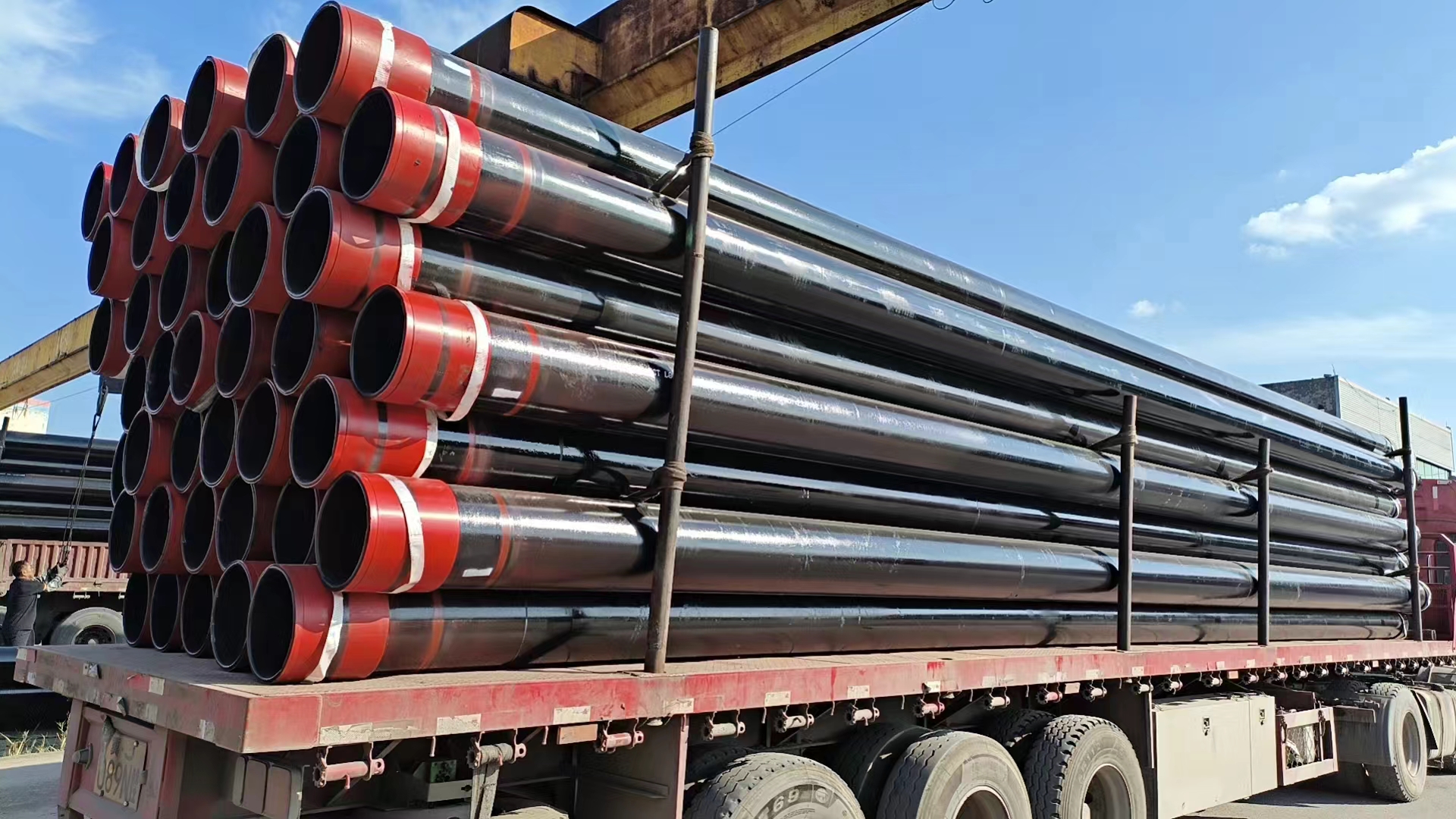
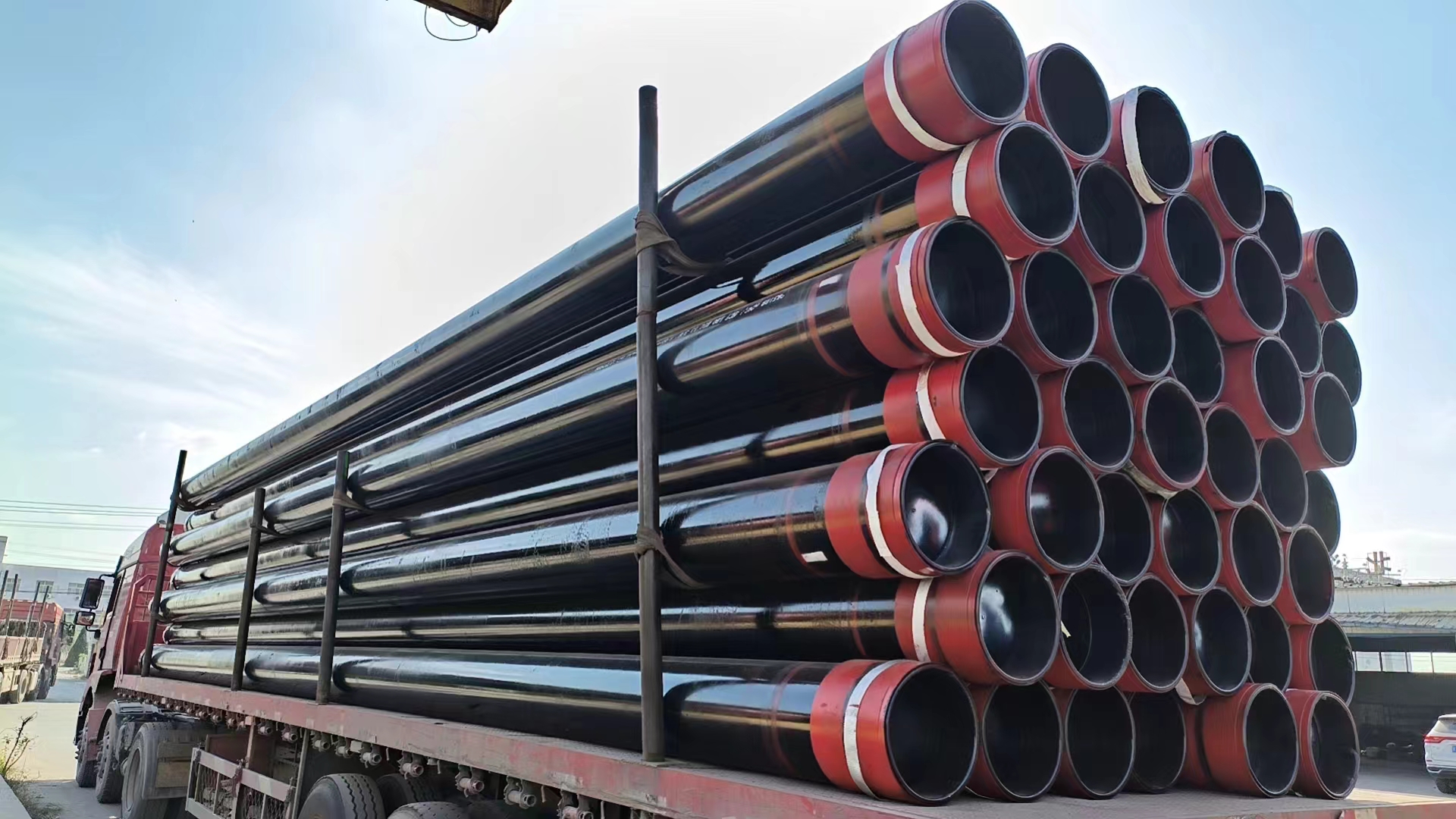
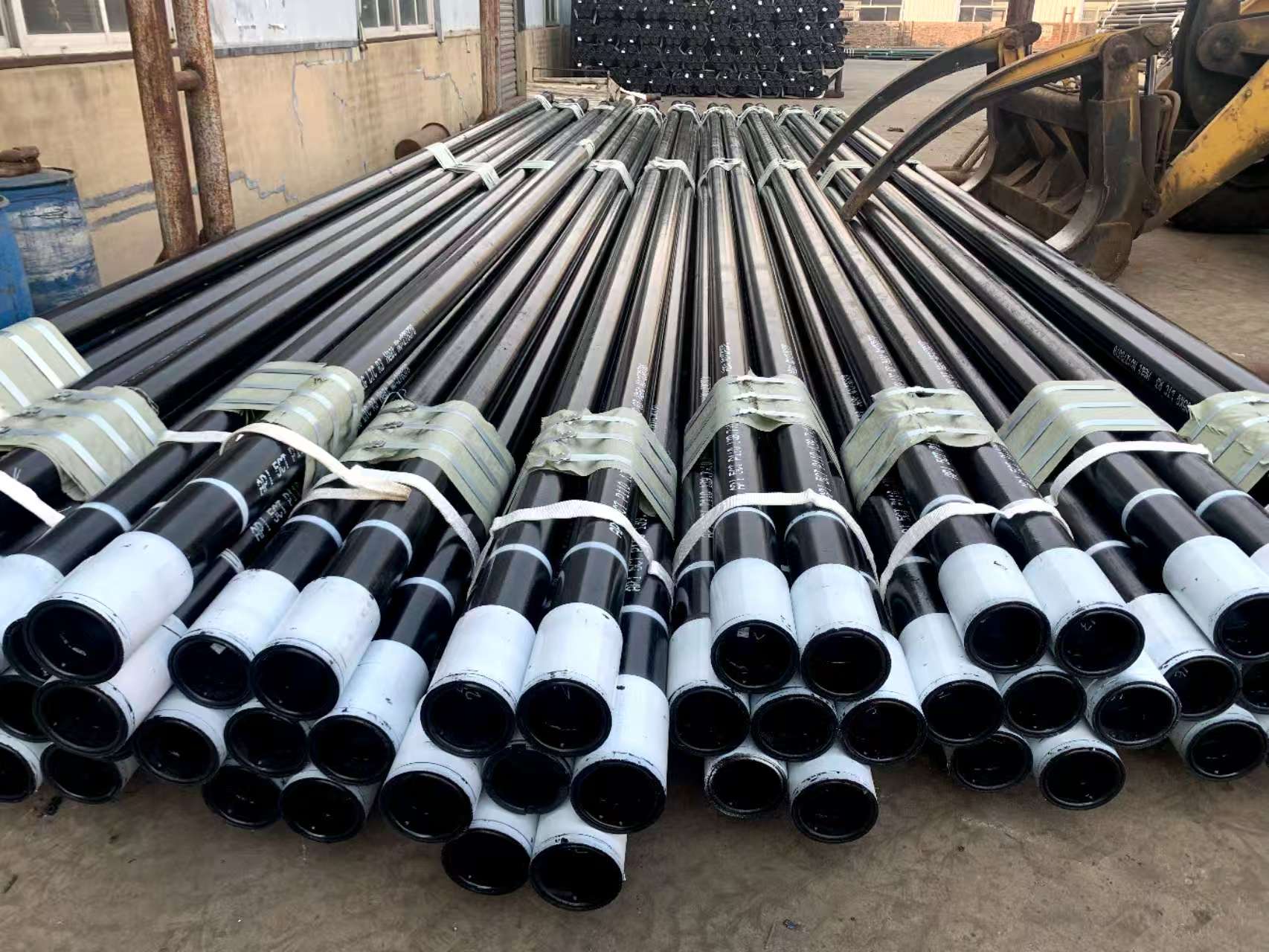
Oil casing is a type of large-diameter pipe that serves to secure the walls or boreholes of oil and natural gas wells. The casing is inserted into the wellbore and fixed with cement to prevent the separation of rock layers and wellbore collapse, as well as to ensure the circulation of drilling mud, facilitating drilling and extraction.
Steel grades of oil casing include: H40, J55, K55, N80, L80, C90, T95, P110, Q125, V150, etc. Casing end processing forms include: short round thread, long round thread, offset trapezoidal thread, special coupling thread, etc. In oil well drilling, casing is mainly used to support the wellbore during drilling and after completion to ensure the drilling process proceeds smoothly and that the well operates normally post-completion. Below is an introduction to the significant role of oil casing.
The Important Role of Oil Casing
The oil industry is a major consumer of oil casing, and oil casing holds a crucial position within the industry:
1. Oil casing is used in large quantities and incurs significant expenditure, presenting enormous potential for cost savings and expense reduction. The consumption of well pipes can be estimated based on the annual footage drilled. In China, roughly 62 kg of well pipes are needed per meter drilled, including 48 kg of casing, 10 kg of tubing, 3 kg of drill rods, and 0.5 kg of drill collars.
2. The mechanical and environmental performance of oil casing has a significant impact on the application of advanced technology and on enhancing production efficiency in the oil industry.
3. The failure of oil casing results in substantial losses; its safety, reliability, and lifespan are critically important to the oil industry.